The New Mexico Septic Permit Process, Explained
Permitting isn't uniform across the metro. Which agency reviews your application depends on exactly where your property sits — and getting that wrong wastes real time.
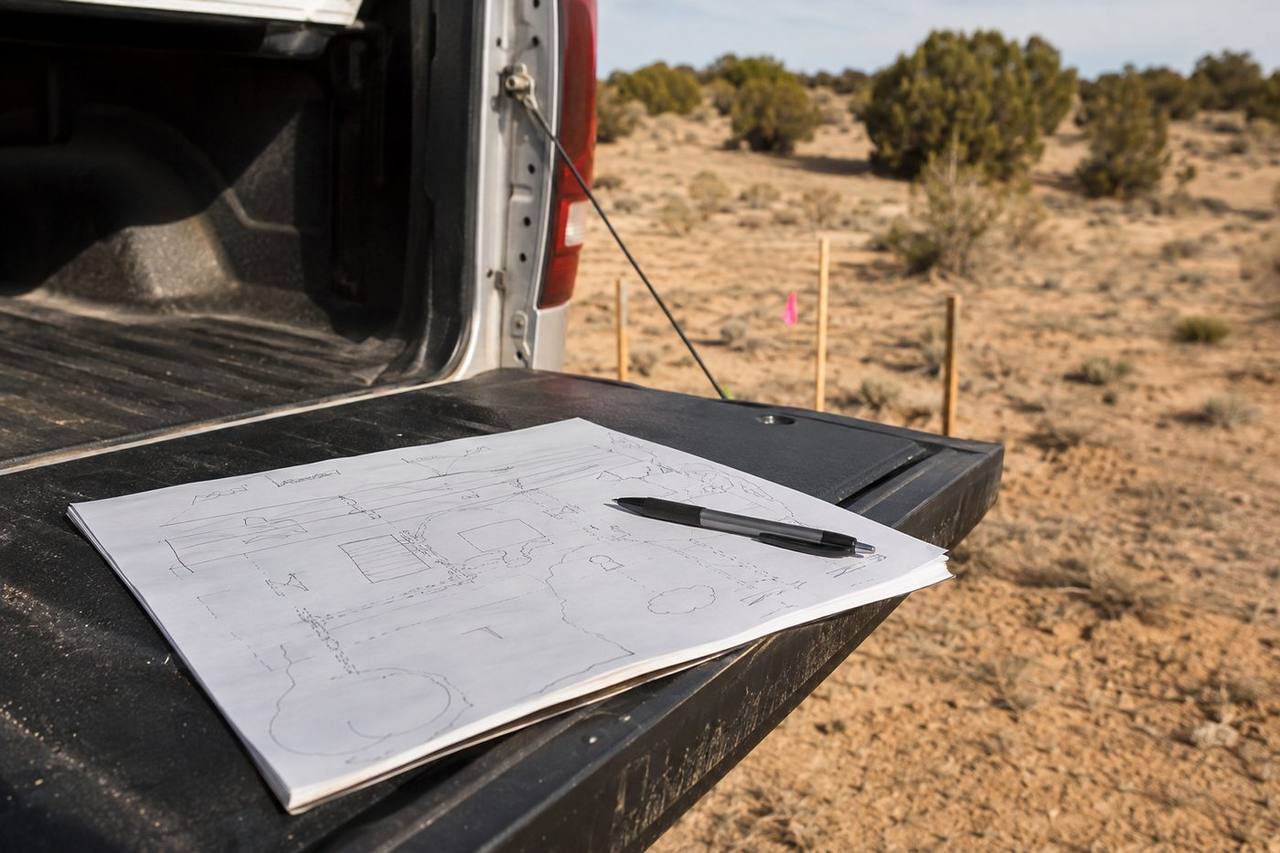
No one is allowed to construct, install, or modify an on-site liquid waste (septic) system in New Mexico without a permit issued beforehand, and no home or manufactured unit can be placed on a lot that requires one without that permit already in hand. What trips people up isn't that permitting exists — it's figuring out which agency actually reviews the application.
Which authority permits your property?
Incorporated Albuquerque, Los Ranchos de Albuquerque, and the Village of Tijeras — permitted through the New Mexico Environment Department (NMED) Liquid Waste Program.
Unincorporated Bernalillo County (most of the East Mountains, South Valley, and North Valley outside city limits) — permitted under the Bernalillo County Wastewater Ordinance, the only county-specific onsite wastewater ordinance in the state.
Sandoval County (Rio Rancho, Corrales, Placitas, Bernalillo) and Valencia County (Los Lunas and surrounding areas) — permitted through NMED's local field office process for that county.
If you're not sure which category your property falls into, the NMED Albuquerque Field Office can tell you definitively — and it's worth confirming before you get too far into planning, since the application requirements differ slightly between NMED and the Bernalillo County process.
The permit process, step by step
- Site evaluation and percolation test performed by a licensed liquid waste professional
- System design based on your soil results and home's bedroom count
- Permit application submitted with proof of property ownership, a site diagram showing structures, wells, and setbacks, and a floor plan showing bedroom count
- Application review by NMED or the county wastewater program
- Construction by a licensed installer once the permit is issued
- Final inspection before the system is backfilled and the permit closed out
Who's allowed to do the work
New Mexico requires anyone installing, constructing, or modifying a septic system to hold one of four contractor license classifications: MM-1, MM-98, MS-1, or MS-3, issued by the state Construction Industries Division. The one exception is a qualified homeowner installing a conventional system on their own primary residence, after passing a state-administered exam — but they still have to meet the same permit and inspection requirements as a licensed contractor.
Approved products only
NMED won't issue a permit for a tank or drainfield product that hasn't already been reviewed and approved by the department's Wastewater Technical Advisory Committee (WTAC). This applies to septic tanks themselves as well as any proprietary treatment or drainfield product. It's a good question to ask an installer directly if they're proposing an unfamiliar brand or system type.
If your application is denied
If NMED denies a permit application or approves it with conditions you disagree with, you have the right to appeal in writing to the NMED Secretary within 15 working days of the decision. This is uncommon when a design is based on accurate site data, which is the strongest reason to get your evaluation and perc test done properly the first time.
Not sure which permit process applies to you?
Tell us your property's location and project type, and we'll connect you with an installer who works in the right jurisdiction.
- Covers NMED, Bernalillo County, Sandoval County, and Valencia County properties
- Installers familiar with each jurisdiction's specific requirements
- Helps you avoid a misfiled or delayed application
Request received
Thanks — we've got your details and will be in touch shortly to connect you with a local septic professional.
Frequently Asked Questions
It varies by workload at the reviewing office and whether your application is complete on first submission. A design based on a proper site evaluation and perc test is the biggest factor in avoiding delays.
No. Construction or modification of a liquid waste system without an issued permit is a regulatory violation and can result in your project being stopped and your timeline set back further than if you'd waited.
Modifications to an existing permitted system generally require their own permit or registration, depending on the scope of work. A licensed installer can tell you which applies to your specific repair.
Get matched with the right installer for your jurisdiction
Tell us where your property is located and we'll connect you with someone who knows that permitting process well.
Get a Free Quote