Signs You Need a Septic System Replacement
Some septic problems are a quick fix. Others are your system telling you it's done. Here's how to tell the difference before it becomes an emergency.
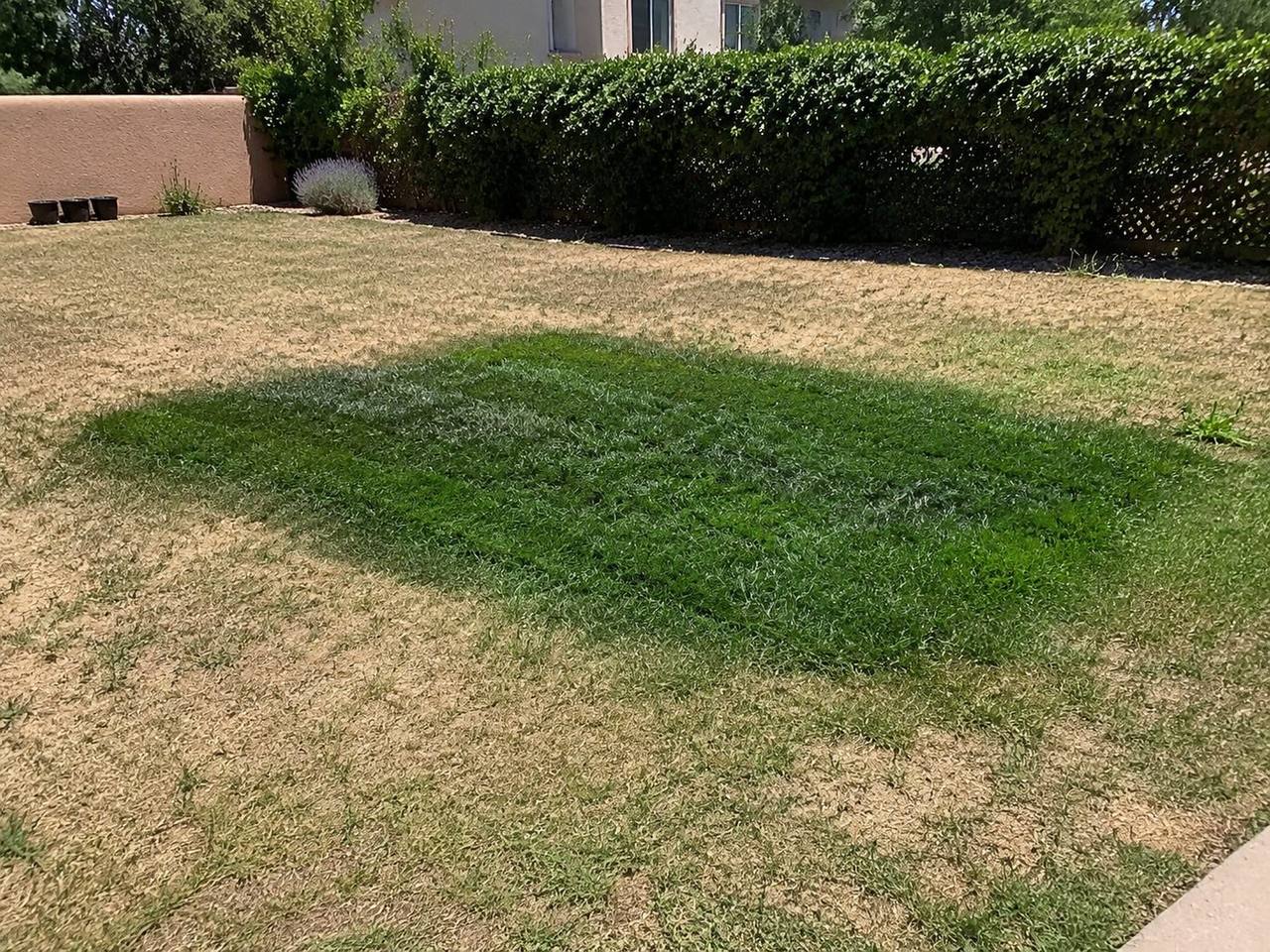
A septic system rarely fails without warning. The signs below, especially in combination, are a strong indicator that repair isn't going to be a lasting fix — and that it's time to talk to a professional about replacement before a slow problem turns into a health hazard or a sewage backup inside your home.
The classic sign: a suspiciously green (or soggy) patch of lawn
If there's a patch of grass over your drainfield that's noticeably greener, lusher, or spongier than the rest of your yard — especially during dry weather — that's effluent surfacing closer to the ground than it should. This usually means the drainfield is saturated and can no longer absorb wastewater at the rate your home produces it.
- Slow drains throughout the house, not just one fixture — a sign the whole system is backing up, not just a single clogged pipe
- Gurgling sounds from drains or toilets after flushing or running water
- Sewage odor in the yard, especially near the tank or drainfield area
- Standing water or unusually soft, spongy ground over the drainfield
- A patch of grass that's noticeably greener or grows faster than the surrounding lawn
- Sewage backing up into tubs, showers, or floor drains — a sign the system has already reached capacity
Age and history matter too
Even without visible symptoms, a system installed before 1976 predates New Mexico's tank baffle requirement and may not meet current safety standards. A tank that's been undersized for your household for years, or a system that's had multiple repairs in a short window, is also a reasonable candidate for replacement rather than another patch.
Seeing any of these? The next step is an inspection, not a guess. See Septic System Replacement for what that process looks like.
What not to do while you wait
Cutting back on water use can buy a little time, but avoid pouring chemical "drain fixers" or septic additives into the system hoping to solve a drainfield problem — they don't repair a saturated field and can sometimes make bacterial balance in the tank worse. If you're seeing sewage backup inside the home, treat it as urgent and get a professional out rather than waiting.
Get your system inspected
Describe what you're seeing and we'll connect you with a licensed installer who can give you a straight answer.
- Honest repair-vs-replace assessment, not an upsell
- Works across the full Albuquerque metro
- Can move quickly if you're dealing with active backup
Request received
Thanks — we've got your details and will be in touch shortly to connect you with a local septic professional.
Frequently Asked Questions
Not always, but combined with slow drains, odor, or a soggy feel underfoot, it's one of the most reliable visible signs of drainfield saturation and worth having checked.
This should be treated as urgent. It typically means the system has reached full capacity and can pose a health hazard. Reduce water use immediately and get a professional out as soon as possible.
Yes — a drainfield that's otherwise healthy can show temporary surfacing after unusually heavy or prolonged rain. If symptoms persist well after dry weather returns, that points to an underlying problem rather than a weather event.
Don't wait for a full backup
Tell us what you're seeing and we'll connect you with a licensed installer for an inspection.
Get a Free Quote